Betting Glossary: Terms and Definitions from A to Z

If you’re just getting started in the sports betting world, you’ve probably run into words like “stake,” “handicap,” or “parlay.” They might sound confusing, right? Don’t worry—every bettor starts out not understanding a thing. What matters is taking the first step.
That’s why we created this betting glossary, a practical guide to help you understand the most common terms in the industry. Here you’ll learn what they mean and how to apply them so you can bet with confidence, improve your strategy, and enjoy every play.
Sports Betting Glossary
In this sports betting glossary, you’ll find the most commonly used terms among bettors and sportsbooks. Each concept is explained in simple language so you can understand how it works in practice and get comfortable with the lingo of the game.
A | B | C | D | E | F | G | H | I | J | K | L | M | N | O | P | Q | R | S | T | U | V | W | X | Y | Z |
A — Betting Terms
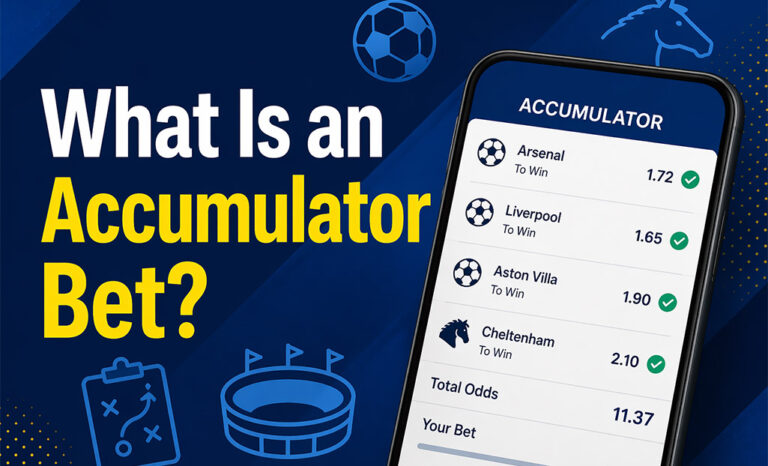
Accumulator
A bet that combines multiple selections into one single ticket. To win, every leg has to hit. It’s a high-risk, high-reward option perfect for bettors looking to turn small stakes into big payouts.
Action
Used to indicate that a bet is active or valid. If a game gets canceled or doesn’t meet the sportsbook’s requirements, it’s declared “no action,” meaning your stake is refunded—no win, no loss.
Add-on Bet
An additional wager a bettor places on an event that’s already been bet on. It’s used to increase potential profit or cover different outcomes, adding more strategic flexibility and ways to diversify a play.
Adjustment
A change made by the sportsbook to the odds, lines, or probabilities. Adjustments help balance the action on both sides or reflect factors like injuries, weather conditions, or any updates that could impact the result.
Against the Spread (ATS)
A bet where it’s not just about who wins, but whether a team covers the point spread. Common in football and basketball, ATS betting levels the playing field between mismatched teams.
All-In
When a bettor wagers their entire bankroll or remaining balance on a single play. It’s a high-risk move that can result in huge wins—or losing everything.
Alternate Line
A modified version of the original point spread or total. It lets bettors adjust risk and payout based on their confidence level. The more you move the line, the bigger the potential reward—or loss.
American Odds
The odds format used in the United States, displayed with plus (+) and minus (−) signs. A positive number shows how much you’d win on a $100 bet, while a negative number shows how much you need to wager to win $100.
Angle
A specific strategy, insight, or reasoning a bettor uses to find value in a wager. Angles can come from stats, trends, motivation, matchups, or any factor that gives a bettor an edge.
Ante Post
A bet placed well in advance of a major event—like tournaments or season-long futures. These offer higher odds but come with more risk due to injuries, roster changes, or cancellations before the event begins.
Accumulator Bet
Another term for a multi-leg bet combining several selections on one ticket. All picks must win for the ticket to cash. Popular for their high payouts but risky since one loss kills the whole bet.
Arbitrage Betting (Arbing)
A strategy where bettors place opposite bets on different sportsbooks to secure guaranteed profit regardless of the outcome. It requires precision, speed, and spotting line discrepancies.
A betting system that removes the possibility of a draw and levels the field through goal advantages or disadvantages. Widely popular in soccer for creating more balanced lines and competitive odds.
Auto Cash Out
A feature allowing bettors to automatically settle their bet once it reaches a certain profit or loss threshold. Helps manage risk and lock in value without monitoring the game.
Average Odds
The mean value of odds offered across multiple sportsbooks for the same event. Used to identify market value and see whether a book is offering better-than-average pricing.
Away Win
A bet on the visiting team to win. In 1X2 markets, “1” means home win, “X” means draw, and “2” means away win.
Acca Insurance
A promo offering a refund or free bet if one leg of your parlay fails. Helps reduce frustration and gives bettors a second chance on multi-leg tickets.
Advance Betting
A bet placed well ahead of a future event. Allows bettors to take advantage of favorable early odds before news or performance changes move the lines.
Aftertime
A term used for someone who claims they placed —and won— a bet after the result is already known. It’s frowned upon since it kills credibility and honesty in betting circles.
Any to Come (ATC)
A chained bet where winnings from one selection automatically roll over into another. Useful for creating automated sequences of wagers without constant input.
B – Betting Terms
Back
A wager placed on a specific outcome to happen—for example, betting on a team to win. It’s the most common type of bet in traditional sportsbooks and betting exchanges.
Bad Beat
A frustrating situation where a bet that looked like an easy winner ends up losing due to an unexpected late-game event. Common in poker and live betting, highlighting how unpredictable gambling can be.
Bank
Refers to the total capital available for betting. Managing it carefully by dividing money into units or percentages helps avoid major losses and promotes responsible wagering.
Bankroll
The personal budget or fund dedicated exclusively to betting. Proper bankroll management is essential to avoid unnecessary losses and maintain financial discipline.
Banker
A bet considered very high probability or “safe.” Often used as a base in parlays or system bets. Even though odds may be low, it adds stability and lowers overall risk.
Bet Boost
A promotion that enhances the odds of a specific wager, increasing potential payout. Sportsbooks use boosts to attract bettors to particular events by offering extra value without changing the bet’s risk.
Bet Builder
A tool that lets bettors create a customized wager by combining multiple markets from the same event. Ideal for those who want full control—mixing predictions like goals, cards, props, or final results.
Bet Limit
The maximum or minimum amount a sportsbook allows on a given event. Limits protect both the bettor and the operator by reducing excessive risk and balancing action.
Bet Now
A button or prompt encouraging bettors to place a wager immediately. Common on apps and websites, especially in live betting where odds shift rapidly.
Bet of the Day
A recommended or highlighted bet selected by analysts or tipsters. Usually offers a solid balance between risk and reward, serving as guidance for bettors seeking strong or safer picks.
Bet Slip
The digital or physical ticket where selections, stakes, and odds are recorded. It’s the official confirmation of your wager and shows the potential payout before it’s finalized.
Bet Stake
The amount of money a bettor chooses to wager on a specific bet. Determining the right stake is essential for bankroll management and emotional control.
Bet Tracker
A tool that tracks past bets, showing stats, wins, and losses. Helps bettors analyze performance and refine their strategies based on real data.
Bet Type
Refers to the category or format of a bet—single, parlay, system, live bet, etc. Each type carries different risks and advantages that influence betting strategy.
Betting Exchange
A platform where bettors wager against each other rather than a traditional book. Users can act as the bettor (“back”) or the bookmaker (“lay”), setting their own odds and taking advantage of market movement.
Betting Line
The line or point spread created by the sportsbook to balance both sides of the action. It represents the point at which teams have equal chances of covering.
Betting Market
The set of available betting options within an event—for example, winner, total goals, number of cards, etc. More markets give bettors greater flexibility to build strategies.
Betting Odds
The odds representing the estimated probability of a result happening. They determine payout size and are crucial for understanding value and risk.
Betting Strategy
A set of rules and methods guiding a bettor’s decisions. Includes bankroll management, event selection, and odds analysis. A strong strategy reduces risk and improves long-term performance.
Betting Tip
An expert prediction or recommendation meant to guide bettors. Based on stats, team form, or event context, it helps make more informed betting decisions.
Betting Ticket
A physical or digital document confirming a wager. Includes event details, bet type, odds, and stake—necessary for claiming winnings or resolving disputes.
Betting Value
A wager offering positive value, meaning the true probability of winning is higher than what the odds imply. Identifying value is key to long-term profitable betting.
Big Favorite
A team or player heavily favored to win according to the odds. Returns are small, but big favorites are often used in parlays or “safe” bets to boost accuracy.
Big Market
Popular, high-volume sports events—such as the NFL or Champions League. These markets offer more options and competitive odds due to high demand.
Bonus
An incentive offered by sportsbooks to attract or reward players. Can come as extra money, free bets, or cashback, typically with wagering requirements.
Bono
The Spanish equivalent of “bonus.” Refers to promotional credit added to a player’s balance, usually requiring specific conditions to withdraw or convert into real money.
Book
Refers to the complete set of odds offered by a sportsbook—its “book.” It represents how probabilities are balanced so the house profits regardless of outcome.
Bookie
Informal term for “bookmaker.” The person or company that sets odds, accepts wagers, and handles payouts. Today, the term commonly refers to online sportsbooks as well.
Bookmaker
The entity that organizes and manages sports betting. Responsible for setting odds, balancing risk, and guaranteeing payouts.
Break-Even Point
The point where total profit equals total loss—no net gain or loss. Important for evaluating long-term betting performance.
Broker
An intermediary connecting bettors with various sportsbooks or markets. Helps obtain better odds and manage large betting volumes, popular among high-stakes and professional bettors.
Build a Bet
A feature allowing bettors to create a customized wager by combining multiple selections from the same event—similar to a Bet Builder.
Buy Points
A strategy mainly used in spread or totals betting. It involves paying extra (taking worse odds) to move the line in your favor and lower the risk.
Buy Price
The price at which a bettor decides to buy a bet or position in an exchange. Similar to financial markets, it lets bettors profit from odds fluctuations before an event ends.
C — Betting Terms
Call
In betting or poker, this means matching another player’s wager to stay in the hand or continue in the game. It’s a strategic decision that keeps you involved without raising the risk.
Canadian
A type of multi-bet that includes five selections combined into 26 separate bets. It contains doubles, trebles, four-folds, and a five-fold, increasing the chances of cashing even if some selections lose.
Cancelled Bet
A voided bet due to external factors like a suspended game or incorrect odds. The stake is refunded, with no win or loss.
Capper
A slang term for “handicapper”—an expert who analyzes stats, teams, trends, and matchups to predict outcomes. Cappers provide picks, insights, and strategies to help bettors improve performance.
Card (Betting Card)
The full list of games or events available to bet on for the day. Sportsbooks display their “betting card” with schedules, markets, and updated odds.
Cash
The available balance in a bettor’s account for wagering or withdrawing. Managing cash responsibly is essential to avoid betting more than you can afford.
Cash Back
A promotion where the sportsbook refunds a portion of money lost during a specific period. Works as partial reimbursement to reduce losses and encourage player loyalty.
Cash Out
A feature that allows bettors to settle a wager before the event ends. It helps lock in profits or minimize losses based on real-time game progress.
Cashout
An alternative spelling of “Cash Out.” Represents the same feature that gives bettors full control to exit a bet early and balance risk vs. reward.
Chase
A risky strategy where bettors try to recover losses by increasing their stake. While it may work short-term, it often leads to larger losses if not controlled.
Chalk
A term used to describe the clear favorite in a matchup. Chalk teams or players have low odds due to high win probability.
Chalk Player
A bettor who consistently backs favorites. Prefers lower risk and lower payouts, choosing safer odds over higher potential returns.
Cover Bet
A strategy involving placing an additional bet to protect an existing one. Used to reduce total risk by securing profit or minimizing loss regardless of the outcome.
Commission
The percentage a sportsbook or exchange charges on winnings. On betting exchanges, commission applies only to net profits and is the operational fee for using the platform.
Competition
An official sporting event involving teams or athletes—such as a league, tournament, or championship. Offers many betting markets like winner, top scorer, or final result.
Consolation Bet
A wager that provides partial compensation if the main prediction fails. Common in multi-round competitions, giving bettors a second chance to recover part of their stake.
Correlated Parlay
A parlay where the outcomes are directly related—for example, betting on a team to win and on a high-scoring game. Some sportsbooks limit these due to higher combined probability.
Corner Bet
A bet on the number of corner kicks in a soccer match, either per team or total. Popular among bettors who rely on detailed statistical analysis.
Correct Score
A wager predicting the exact final score of a match. Hard to hit, high payout. Preferred by experienced bettors with strong analytical skills.
Coupon
A printed sheet or digital form listing available events and their odds. In retail sportsbooks, bettors mark selections on the coupon before submitting their wager.
Cover
When a team beats the sportsbook’s spread, they “cover.” In ATS betting, covering means the team met or exceeded expectations set by the handicap.
D — D’Alembert System
A betting progression method based on balanced increases and decreases. You raise your stake by one unit after a loss and lower it by one unit after a win. Designed to recover losses steadily without overly risking the bankroll.
Day Betting
Bets placed exclusively on events happening on the same day. Ideal for bettors who prefer immediate action and want to avoid line movement or event postponements.
Dead Heat
A tie between two or more competitors in sports like racing or golf. In this case, winnings are split proportionally based on sportsbook rules.
Dead Rubber
A game whose outcome no longer impacts the overall competition. Often happens late in tournaments or series when teams are already qualified or eliminated.
Decimal Line
A version of a handicap or totals line expressed in decimal format. It simplifies calculations and clearly displays potential return and probability.
Decimal Odds
A popular odds format in Europe and Latin America. Shows total return (stake + profit) per unit wagered. For example, 2.00 means you double your money.
Deduction
A reduction applied to winnings when unexpected changes occur in an event—such as a participant withdrawal. Used to maintain fairness and properly adjust odds.
Dealer
The person or automated system that deals cards in casino games like poker or blackjack. In online betting, it can also refer to the operator managing the market.
Delayed Bet
A wager delayed in acceptance due to odds fluctuations or system review. Common in live betting where lines move quickly before confirmation.
Deposit
Adding funds to your betting account to start wagering. Can be done via card, bank transfer, or e-wallets depending on sportsbook options.
Depósito
Spanish equivalent of “deposit.” Refers to money added by the player to their betting account, usually the first step before wagering or claiming bonuses.
Deposit Bonus
A bonus awarded when a player makes a deposit. Usually matches a percentage of the deposited amount, available for betting under specific wagering requirements.
Differential Betting
A type of bet where payouts depend on the difference between two final outcomes—such as point or goal differential. Common in high-scoring sports like basketball or rugby.
Disqualification Bet
A wager involving the possibility of a player or team being disqualified. The bet may be settled or voided depending on the operator’s rules if a DQ occurs.
Dog
Slang for underdog—the team or player not favored to win. Betting the dog carries more risk but offers higher payouts due to longer odds.
Dog Player
A bettor who prefers backing underdogs to find high-value spots. Believes the market often overprices favorites, creating opportunities for upsets.
Don’t Pass Line
A craps bet that wins if the shooter rolls a 2 or 3 and loses if they roll 7 or 11. It’s the opposite of the traditional Pass Line bet.
Double Action
A conditional bet that activates only if the first wager wins. Automatically reinvests winnings into the next bet, acting like a bet chain to maximize returns.
Double Chance
A wager covering two of the three possible outcomes in a match: home win or draw, or away win or draw. A lower-risk option for balanced games.
Double Result
A combination bet predicting both halftime and full-time outcomes. For example: “Draw/Home” means tied at halftime and home team wins full-time.
Double
A two-leg parlay. Both selections must win for the bet to cash. More profitable than a single bet but riskier since one loss kills the ticket.
Double Chance
Spanish version of Double Chance. Covers two possible results to reduce risk and increase chances of winning, though with lower odds.
Down Bet
An additional wager placed after the initial one, typically with a smaller stake. Used to adjust exposure or cover potential losses without risking too much capital.
Draw
A tie between competitors in a sporting event. Depending on the market, a draw can trigger a refund or a win, such as in Draw No Bet.
Draw No Bet
A market that removes the draw as a losing outcome. If the match ends in a tie, the stake is refunded; if your team wins, the bet cashes.
Drawdown
A prolonged downturn in bankroll caused by consecutive losses. Analyzing drawdowns helps bettors understand strategy performance and refine money management.
Drift
When odds move upward because the market is betting less on that outcome. Indicates decreased confidence from bettors or analysts.
Drifted Price
Odds that have risen from their opening value. Typically signals lower perceived probability, though it can also present value if the market overreacts.
Dry Spell
A long period without winning bets. Common for all bettors, and managing it with discipline and stable staking is essential.
Dutching
A strategy where the stake is divided across multiple outcomes of the same event to guarantee a profit regardless of the winner. Requires precise calculations of odds and proportions.
Dynamic Odds
Odds that update in real time based on betting volume or in-game action. A key component of live betting, reflecting instant market reaction to new information.
E — Betting Terms
Early Bet
A wager placed before the event starts. Allows bettors to take advantage of early lines or higher odds before they shift due to injuries, news, or market movement.
Early Cash Out
A feature that lets bettors secure winnings before the bet reaches full value. Useful for locking in profit when things look favorable, avoiding risk from late-game surprises.
Early Market
A betting market opened well in advance of the event. These odds are usually more attractive but highly volatile as the event approaches.
Each-Way Bet
A bet split into two parts: one on the participant to win and another to finish in the top positions. Common in racing and reduces risk while keeping profit potential.
Edge
A statistical or strategic advantage a bettor has over the sportsbook. Identifying an edge allows for value betting and long-term profitability through better analysis and information.
ELO Rating
A rating system used to measure the relative strength of teams or players. Based on past performance, it helps project future results and estimate real probabilities in informed betting.
Enhanced Odds
A promo where the sportsbook boosts the odds for selected outcomes. Increases potential payout but usually comes with specific terms and limits.
Entry
The initial amount invested in a bet or tournament. In gaming competitions, it can also refer to the entry fee required to participate.
Entry Bet
The first bet placed on a market or event. Represents the bettor’s initial position and is often used as a reference for strategy or profit calculation.
Entry List
The official list of participants in a sporting event, such as a tennis tournament or race. Essential for planning informed bets and comparing form or past performance.
Even
A term used when decimal odds equal 2.00, meaning the payout is exactly double the stake and represents an implied 50% probability.
Even Money
A wager that pays out the same amount as the stake (odds 2.00 or 1/1). Typical in balanced matchups where both sides have similar chances.
Event
Any match, game, or competition available to bet on. Each event includes multiple betting markets such as winner, totals, props, or player stats.
Event Market
The collection of all betting options available for a particular event, including moneyline, spread, totals, props, and more.
Exact Score
A bet predicting the exact final score (e.g., 2–1, 0–0). Hard to hit but offers high odds and large payouts.
Exotic BetA non-traditional bet involving unique conditions or unusual outcomes. Very popular in horse racing and U.S. sports like football or baseball, with high rewards for higher difficulty.
Exposure
The total amount of money a bettor has at risk at a given moment. Managing exposure helps maintain bankroll stability and avoid excessive losses across multiple bets.
Extra Time Bet
A wager that includes or specifically targets extra time, common in knockout tournaments. Must be clearly stated, as standard bets usually cover only regular time.
Exchange Betting
A system where bettors wager against each other rather than the sportsbook. Allows users to set their own odds and take positions as the backer or the layer, offering transparency and flexibility.
Expected Value (EV)
The long-term profitability of a bet calculated by comparing true probability with the odds offered. A positive EV means the bet is profitable over time; a negative EV means expected loss.
Expected Goals (xG)
A metric estimating how many goals a team should have scored based on chance quality. Popular among analytical bettors to evaluate performance beyond just the final score.
Expired Bet
A bet that becomes invalid because the cutoff time passed or the event started before confirmation. Usually results in the stake being automatically refunded.
Exposure (Exposición)
Another reference to how much total money is tied up in open bets. Essential for maintaining financial balance and risk management.
Early Payout
A promo where the sportsbook pays out a winning bet early when a result seems practically decided. Ensures guaranteed winnings without waiting for full-time.
Esports Betting
Betting on professional video game competitions like League of Legends or CS:GO. Offers markets similar to traditional sports, including match winners, maps, rounds, and tournament futures.
Event Limit
The maximum amount a sportsbook allows to be wagered on a specific event. Helps operators manage risk and maintain balanced action.
F — Betting Terms
Favorite
The team or player most likely to win according to the odds. Betting the favorite usually offers lower payouts but comes with less risk. The opposite is the “underdog.”
Fixed Odds
Odds locked in at the moment the bet is placed. They do not change regardless of market movement or in-game action, letting bettors know exactly what they will win if the bet cashes.
Flat Betting
A bankroll strategy where the bettor always wagers the same amount, regardless of confidence level or event. Promotes discipline, stability, and long-term control while avoiding large losses.
Forecast
A bet predicting the exact order of the top two finishers in a competition. Very common in horse racing, greyhounds, and other ranking-based sports.
Free Bet
A promo that allows bettors to place a wager without using real money. Winnings are withdrawable, though the stake of the free bet itself is usually excluded. Ideal for testing strategies risk-free.
Full Time
Refers to the result after regulation time, without including overtime or penalties. Most standard markets are settled based solely on full-time results.
Full Cover Bet
A large multi-bet including every possible combination of multiple selections—doubles, trebles, and beyond. Increases chances of winning even if one or more selections miss.
Futures
Long-term bets on future outcomes, such as the winner of a league or tournament. Offers higher odds but requires patience since results are determined weeks or months later.
Form
The current performance level of a team or player based on recent results. Analyzing form is crucial for understanding consistency, momentum, and reliability before placing a bet.
Frame Betting
A wager used in sports structured by frames or sets, such as snooker or tennis. Bettors predict the exact number of frames or sets a player will win.
Freebet
Another term for “Free Bet.” Lets bettors wager without using real balance, with net winnings calculated minus the value of the free bet itself.
First Goal
A wager on which team or player will score the first goal of the match. Popular among minute-to-minute bettors who enjoy predicting early momentum.
First Half Bet
A bet limited to the result or stats of the first half only. Ideal for quick strategies or targeting teams known for strong early performances.
First Scorer
A bet predicting which player will score the first goal or point of the game. Difficult to hit but offers high payouts for bettors who research individual performance.
Final Result
The outcome of the match at the end of regulation time. One of the most traditional markets, typically offering home win, draw, or away win options.
Fixed Match
A manipulated or prearranged game designed to produce a specific result. Illegal and heavily monitored by sportsbooks and leagues. Betting on fixed matches is strictly prohibited.
Fun Bet
A wager placed mainly for entertainment rather than strategy. Usually involves small stakes and focuses on enjoyment over profit expectations.
Fantasy Sports
A game where participants create virtual rosters using real athletes and score points based on their actual statistical performance. Combines strategy, sports knowledge, and entertainment—some platforms allow real-money contests.
F — Betting Terms
Favorite
The team or player most likely to win according to the odds. Betting the favorite usually offers lower payouts but comes with less risk. The opposite is the “underdog.”
Fixed Odds
Odds locked in at the moment the bet is placed. They do not change regardless of market movement or in-game action, letting bettors know exactly what they will win if the bet cashes.
Flat Betting
A bankroll strategy where the bettor always wagers the same amount, regardless of confidence level or event. Promotes discipline, stability, and long-term control while avoiding large losses.
Forecast
A bet predicting the exact order of the top two finishers in a competition. Very common in horse racing, greyhounds, and other ranking-based sports.
A promo that allows bettors to place a wager without using real money. Winnings are withdrawable, though the stake of the free bet itself is usually excluded. Ideal for testing strategies risk-free.
Full Time
Refers to the result after regulation time, without including overtime or penalties. Most standard markets are settled based solely on full-time results.
Full Cover Bet
A large multi-bet including every possible combination of multiple selections—doubles, trebles, and beyond. Increases chances of winning even if one or more selections miss.
Futures
Long-term bets on future outcomes, such as the winner of a league or tournament. Offers higher odds but requires patience since results are determined weeks or months later.
Form
The current performance level of a team or player based on recent results. Analyzing form is crucial for understanding consistency, momentum, and reliability before placing a bet.
Frame Betting
A wager used in sports structured by frames or sets, such as snooker or tennis. Bettors predict the exact number of frames or sets a player will win.
Freebet
Another term for “Free Bet.” Lets bettors wager without using real balance, with net winnings calculated minus the value of the free bet itself.
First Goal
A wager on which team or player will score the first goal of the match. Popular among minute-to-minute bettors who enjoy predicting early momentum.
First Half Bet
A bet limited to the result or stats of the first half only. Ideal for quick strategies or targeting teams known for strong early performances.
First Scorer
A bet predicting which player will score the first goal or point of the game. Difficult to hit but offers high payouts for bettors who research individual performance.
Final Result
The outcome of the match at the end of regulation time. One of the most traditional markets, typically offering home win, draw, or away win options.
Fixed Match
A manipulated or prearranged game designed to produce a specific result. Illegal and heavily monitored by sportsbooks and leagues. Betting on fixed matches is strictly prohibited.
Fun Bet
A wager placed mainly for entertainment rather than strategy. Usually involves small stakes and focuses on enjoyment over profit expectations.
Fantasy Sports
A game where participants create virtual rosters using real athletes and score points based on their actual statistical performance. Combines strategy, sports knowledge, and entertainment—some platforms allow real-money contests.
G — Betting Terms
Game Line
The betting line showing spreads, totals, and odds available for a specific game. Highlights key markets such as point spread, game total, and moneyline.
Gamble
The act of risking money or value on an uncertain outcome with the hope of earning profit. While it involves luck, it can also rely on strategy, analysis, and responsible risk management.
Gambler
A person who participates in gambling activities such as sports betting, casino, or poker. Can be recreational or strategic, as long as bankroll discipline is maintained.
Gambling
A broad term covering all activities involving monetary wagers—sports betting, casino games, poker, and more. Success combines skill, luck, discipline, and understanding of the market.
Goal Line
A betting market on the total number of goals scored in a match. Similar to Asian totals, letting bettors take the over or under on a specific goal threshold.
Goal Scorer
A wager on which player will score one or more goals during a match. Can be “first,” “last,” or “anytime,” with odds adjusting to player performance expectations.
Goal Average
The average number of goals scored and conceded by a team in a competition. Used for performance comparisons and for betting on totals or goal difference markets.
Green (Winning Bet)
Slang meaning a winning bet. Many betting platforms highlight successful bets in green, making it a universal symbol for profit.
Grayscale (Profit/Loss Tracking)
A method used to visualize profit and loss trends over time. Helps bettors identify patterns, evaluate strategies, and maintain long-term financial stability.
Grading
The process by which a sportsbook settles a bet as a win, loss, or push after verifying the official result of the event.
H — Betting Terms
Handicap
A system used to balance odds between uneven teams by assigning a virtual advantage or disadvantage. Makes betting more competitive and fair.
Half Time
Refers to the score or markets settled after the first half of a match. Many bets focus strictly on the first-half result or stats.
Half Time/Full Time
A combined bet predicting both the halftime result and the full-time outcome. Requires accuracy in two scenarios and is popular among experienced bettors.
Head-to-Head (H2H)
A market comparing two competitors directly, regardless of others in the event. Common in golf, motorsports, tennis, and individual-stage tournaments.
High Roller
A bettor who consistently wagers large amounts of money. Sportsbooks often offer VIP perks, personal support, and higher limits to high rollers.
Home Win
A bet on the home team to win the match. One of the three options in the traditional 1X2 market.
Hot Tip
A betting tip considered highly reliable, usually coming from experts or informed sources. Even so, bettors should always analyze before trusting any tip.
House Edge
The mathematical advantage the sportsbook or casino has over the player. Expressed as a percentage ensuring the operator’s long-term profit.
Handicap 0 (Draw No Bet)
A version of the Asian Handicap where the draw results in a refund. If your team wins, the bet cashes; if it’s a draw, stake is returned.
I — Betting Terms
In-Play
Bets placed while the event is live. Odds move constantly based on real-time gameplay, allowing bettors to react to goals, fouls, injuries, and momentum shifts.
In-Running
Similar to In-Play, often used in racing or continuous-action sports. Indicates that betting markets remain open as the event unfolds with dynamic, real-time odds.
Insider
A person with privileged, non-public information about an event (e.g., injuries, strategies). Using insider info to bet is illegal and considered match manipulation.
Insurance Bet
A safety bet designed to reduce losses. Allows bettors to recover part of their stake if the main outcome does not hit. Common in parlays and system bets.
Invitational
An exclusive competition where only invited teams or players participate. Betting markets often adjust odds based on the elite nature of the participants.
Instant Bet
A rapid-fire bet placed with one click and no confirmation screens. Ideal for live betting where odds shift fast and timing is crucial.
Inactive Market
A temporarily suspended betting market. Occurs due to event changes, odds adjustments, or system reviews. Reopens once conditions are updated.
J — Betting Terms
Jackpot
The jackpot is the largest accumulated prize in a casino game or slot machine. It grows every time someone wagers without winning. When a player hits it, they take home a massive payout—the ultimate casino dream.
Juice (Bookmaker Margin / Vig)
“Juice,” also known as the vig or bookmaker margin, is the commission sportsbooks charge through their odds. It’s their guaranteed profit. Understanding juice helps bettors find better value.
K — Betting Terms
Kelly Criterion
A mathematical formula used to determine optimal bet size based on edge and expected value. Helps maximize long-term growth while reducing the risk of significant bankroll loss.
Key Number
A crucial figure in sports betting—especially in football—representing the most common margins of victory (like 3 or 7 points). Knowing key numbers helps bettors exploit line value.
Kickoff
The official start of a game, most commonly football or soccer. In sports betting, it represents the deadline for pre-match bets before odds lock or markets close.
Knockout (KO)
A KO occurs when a fighter is unable to continue. Betting on a knockout often offers high odds due to its unpredictability and dramatic nature.
Keep Bets
An option allowing bets to remain active even when there are event delays or interruptions. Instead of auto-cancellation, the bet stays valid unless the sportsbook rules state otherwise.
Kambi
A leading sportsbook technology and odds provider. Kambi supplies real-time data, trading tools, and betting platforms for major betting operators worldwide.
L — Betting Terms
Lay (Bet Against)
To “lay” a bet means to bet against a result occurring. The bettor acts like the bookmaker—winning if the chosen outcome does not happen.
Lay Bet
A wager placed against an outcome, typically on betting exchanges. For example, laying a team means you profit if that team does not win.
Line
A point of reference set by the sportsbook to balance both sides of the action. Can refer to spreads, totals, or moneylines.
Live Bet
A wager placed while the event is underway. Odds change continuously based on real-time action.
Live Betting
The system that enables placing bets during an active event. Extremely dynamic, allowing bettors to react instantly to scoring plays, fouls, or momentum shifts.
Live Stream
A real-time broadcast of a sports event within a sportsbook platform. Helps bettors make timely decisions during in-play betting.
Lock
Slang for a bet considered extremely likely to win. Although no bet is guaranteed, bettors use “lock” to describe very high-confidence picks.
Long Shot
A wager on a highly unlikely outcome—usually with a large payout. Long-shot bets target underdogs or improbable scenarios.
Lucky 15
A multi-bet consisting of 15 total bets across four selections: singles, doubles, trebles, and a four-fold.
Lucky 31
A 31-bet combination across five selections, covering singles through a five-fold.
Lucky 63
A large combination totaling 63 bets across six selections, from singles to a six-fold. High cost, but many ways to return profit.
M — Betting Terms
Margin (House Edge / Overround)
The mathematical advantage a sportsbook has over bettors, built into the odds to guarantee long-term profit.
Market
A specific betting category within an event—such as match winner, total goals, or first scorer.
Match Bet
A straightforward wager on the result of a sporting event (home win, draw, away win).
Match Odds
The odds assigned to each possible match result. Understanding them helps bettors identify value.
Matched Betting
A strategy using free bets or bonuses by wagering both for and against an outcome across different sportsbooks—guaranteeing profit regardless of the result.
Max Bet
The maximum amount allowed on a given market.
Min Bet
The minimum amount required to place a wager.
Moneyline
A simple bet on which team will win the game, with no spreads involved. Very common in U.S. sports betting.
Multiple / Multi Bet
A combined bet with multiple selections on one ticket. All must win for the payout.
Martingale System
A high-risk betting strategy where the stake doubles after each loss, aiming to recover everything with one win.
Market Maker
A trader or system that sets and adjusts betting lines to balance action and reduce sportsbook risk.
Mobile Betting
Placing bets via mobile apps or browsers. Offers instant access and full control from anywhere.
Multi Bet
Another term for a parlay or accumulator—multiple selections combined into one wager.
N — Betting Terms
Nap
A tipster’s top pick of the day—their most confident prediction.
Non Runner
A participant that does not compete. Bets involving them are typically void unless rules specify otherwise.
Neutral Venue
A site where a match is played without home-field advantage for either side.
No Action
A bet that is considered void due to cancellation or unmet conditions. The stake is returned.
No Bet
A situation where no wager is placed or the bettor chooses not to bet due to poor odds or lack of value.
O — Betting Terms
Represents the implied probability and potential payout of a result.
Odds Compiler
The specialist responsible for creating odds based on data, form, and modeling.
Odds Movement
Shifts in odds before or during an event due to betting volume or new information.
Off (Start Time)
The exact moment a game or race officially begins—also the cutoff for placing bets.
Off the Board
A market temporarily removed from betting due to major news, injuries, or uncertainty.
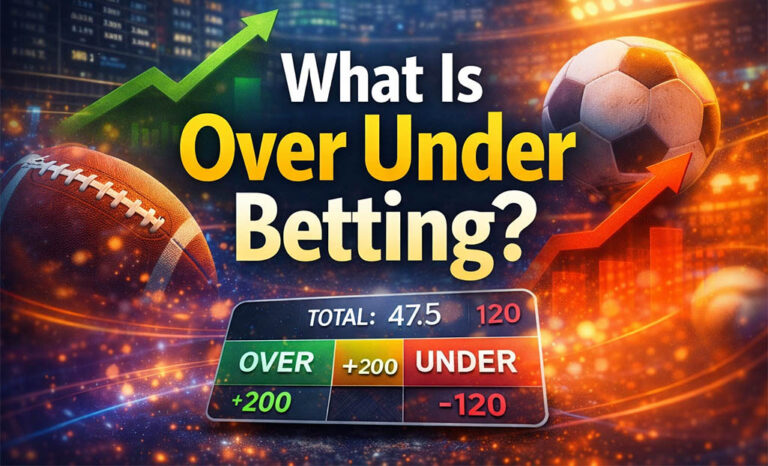
Over / Under
A totals market predicting whether a statistic (points, goals, etc.) will be above or below a set number.
Overtime
Extra time added when a game ends in a tie and requires a winner. Important to check if bets include or exclude overtime.
Opening Line
The first line or odds offered by the sportsbook, often adjusted quickly as the market reacts.
Outright
A bet on the overall winner of a tournament or league—common in long-term futures markets.
Outsider
Another term for the underdog—low probability, high payout.
P — Betting Terms
Parlay
A multi-leg bet combining several selections. All must win for the bet to cash; payouts increase with each added leg.
Pick
A bettor’s or tipster’s selection or prediction based on analysis.
Payout
The total amount received from a winning bet, including stake and profit.
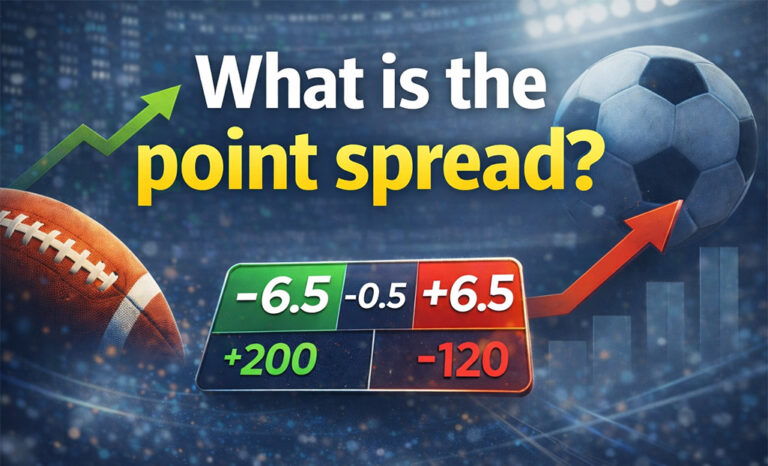
Point Spread
A handicap used in U.S. sports to balance matchups by giving virtual points to the underdog or removing points from the favorite.
Player Props
Bets focused on individual player performance—goals, assists, points, rebounds, etc.
Postponed
An event delayed to a later date. Bets may be void or held depending on sportsbook rules.
Pre-Match
Bets placed before an event begins.
Probability
The mathematical likelihood of an outcome occurring, directly influencing odds.
Prop Bet
A proposition bet on an event within the game—such as first scorer, number of fouls, or weather conditions.
Push
Occurs when the final outcome matches the sportsbook’s line exactly. The stake is refunded.
Public Money
The volume of bets placed by the general public. Can influence line movement as sportsbooks react to balance risk.
Punt
A slang term for placing a bet. Also a kicking play in American football where possession is intentionally surrendered.
Q — Betting Terms
Quiniela
A Quiniela is a wagering format where bettors predict the outcomes of multiple matches, typically soccer games. It blends luck with analytics, as hitting several results correctly is required to land significant payouts.
Quarter Bet (Betting by Quarter)
A Quarter Bet involves wagering on the result of a specific quarter in sports like basketball or football. It allows you to predict scoring or the quarter winner independently of how the full game ends.
Quarter Handicap
A Quarter Handicap splits the spread into two equal parts—such as -0.25 or +0.75—creating a half-win or half-loss scenario. It reduces overall risk while still offering a structured way to take spread-like positions.
Quota (Odds in some European Markets)
Quota is the term used in various European countries to represent betting odds. It indicates potential payout per unit wagered and reflects the bookmaker’s implied probability of each outcome.
Qualifier (Qualifying Match/Round)
A Qualifier is a preliminary match or event that determines who advances to the next tournament stage. Bettors can wager on which participant earns the spot before the main competition begins.
Quick Bet
A Quick Bet enables instant wagering with just a few taps or clicks on the sportsbook interface. It’s designed for fast decision-making, especially during live betting where timing is crucial.
Quota Movement (Odds Movement)
Quota Movement refers to the shifts in odds leading up to or during an event. These changes reflect betting volume, breaking news, and market corrections, providing insight into how public and sharp money impacts pricing.
R — Betting Terms
Refund / Void
A Refund occurs when a bet is voided due to cancellation or invalidation of the event. In this case, the sportsbook returns the stake to the bettor, resulting in neither profit nor loss.
Rollover (Bonus Wagering Requirement)
A Rollover represents the number of times a bonus must be wagered before withdrawal is allowed. It is a common condition in sportsbook promotions and ensures bettors actually engage with the platform.
Round (Boxing/MMA Round)
A Round is one segment of a combat sports fight, such as boxing or MMA. Bettors can wager on which round the fight ends in or who wins specific rounds based on performance and strategy.
Runner (Race/Event Participant)
A Runner is any competitor in a race or timed event, such as horses, greyhounds, or track athletes. Bettors can place wagers on who wins, finishes in the top positions, or beats specific performance benchmarks.
Risk
Risk represents the inherent possibility of losing money on a wager. Effective bettors manage risk through bankroll discipline, strategy, and understanding variance in sports outcomes.
Return
Return is the total amount credited back to the bettor on a winning wager, including stake plus profit. It represents the actual financial gain from a successful prediction.
RTP means Return to Player, the percentage of wagered money a game pays back over time. A 96% RTP returns $96 per $100 on average, not per session.
Reverse Bet (Reverse If Bet)
A Reverse Bet is a combination of two “If Bets” that activate in sequence depending on outcomes. It provides flexible conditional betting that can maximize opportunities while spreading exposure across multiple outcomes.
Record (Betting Record)
A Record is the complete history of a bettor’s wagers and results. Reviewing this data helps identify patterns, strengths, and weaknesses, improving long-term betting strategy.
S — Betting Terms
Spread (Point Spread)
The Spread creates balance between mismatched teams by assigning a point handicap. It allows bettors to focus not just on who wins, but whether a team covers a set margin.
Stake
The Stake is the amount of money wagered on a single bet. It reflects both the bettor’s confidence level and bankroll management strategy.
System Bet
A System Bet groups multiple selections into combinations that allow partial success. The bettor can still return a profit even if not all selections win, offering reduced risk compared to traditional parlays.
Simple Bet (Single Bet)
A Simple Bet is a straightforward wager on one outcome in one event. It’s ideal for beginners due to its simplicity and transparent payout structure.
Single (Individual Bet)
A Single is a stand-alone bet not tied to other outcomes. Many bettors favor singles for their lower variance compared to multi-leg wagers.
Straight Bet
A Straight Bet is a wager on a single market—moneyline, spread, or total—without combining additional selections. It remains the most popular bet type in U.S. sportsbooks.
Score
Score refers to the numerical result of a game or match. Bettors use score information for markets like correct score, totals, and winning margin predictions.
Stake Plan (Bankroll Management Plan)
A Stake Plan is a structured approach to determining how much to risk on each wager. It protects the bankroll and prevents emotional or reckless betting decisions.
Sharp
A Sharp is a highly skilled, data-driven bettor who consistently finds value before the market shifts. Sportsbooks closely monitor sharp action as it often predicts true probability.
Surebet (Arbitrage Bet)
A Surebet guarantees profit by covering all outcomes across different sportsbooks with mismatched odds. While effective, it requires precision and fast execution to exploit fleeting opportunities.
Special Bet (Prop / Special Market)
A Special Bet involves wagers on events outside the main outcome, such as first goal scorer or award winners. It provides added entertainment and deeper engagement for bettors.
Split Bet
A Split Bet involves splitting your stake between two related selections. This reduces risk by covering more potential outcomes within the same market.
Suspended
A Suspended market temporarily stops accepting bets due to significant in-game events or data review. Odds are updated and the market reopens once conditions stabilize.
Serie (Sequence / Streak)
A Series is a sequential run of specific results—like wins, losses, or draws. Bettors analyze series to predict patterns and spot possible momentum or regression.
Soccer Betting
Soccer Betting encompasses all wagering markets related to soccer, from moneylines to props. It is the most globally popular betting vertical with countless market variations.
Stake Limit
A Stake Limit defines the minimum and maximum amount allowed on a specific market. Sportsbooks use it to manage exposure and protect themselves from sharp or high-volume action.
Second Half Bet
A Second Half Bet focuses exclusively on performance after halftime. It ignores the first half completely, letting bettors capitalize on tactical adjustments and momentum shifts.
T — Betting Terms
Tip
A Tip is a betting suggestion provided by an analyst or expert based on data, trends, and matchup insights. Bettors use tips to guide their decision-making or find value spots.
Tipster
A Tipster is someone who regularly analyzes sports events and offers predictions or betting advice. Many tipsters share insights publicly, helping bettors evaluate potential plays.
Ticket
A Ticket is the digital or physical confirmation of a placed wager. It details markets, odds, stake, and potential payout, and is required to settle or claim winnings.
Teaser
A Teaser is a multi-leg bet where bettors adjust spreads or totals in their favor. Although it increases win probability, the odds are reduced to reflect the advantage gained.
Total
The Total market lets bettors wager on whether combined points or goals will be over or under a set number. It’s one of the most common betting options in the U.S.
Total Goals
A Total Goals wager focuses solely on the cumulative number of goals scored. It removes the need to pick a winner and centers entirely on scoring pace.
Tie
A Tie is a match ending with equal scores. In some sports it leads to overtime; in betting, depending on the market, it may trigger refunds or count as a valid result.
Time Bet
A Time Bet targets specific intervals within an event—like the first 10 minutes or the final quarter. This allows bettors to exploit short-term momentum or tactical phases.
Trading (Bet Trading)
Trading involves buying and selling bet positions to lock in profits or limit losses. It resembles financial markets, relying on odds movement rather than event outcomes.
Turnover
Turnover is the total amount wagered over a given period. Sportsbooks and bettors use it to track activity levels and fulfill bonus requirements.
Tiebreak
A Tiebreak is a special game in tennis used to decide a tied set. Bettors can wager on whether a tiebreak will occur and who will win it.
Tournament Winner
A Tournament Winner bet predicts which player or team takes the championship. It’s a long-term market requiring analysis of consistency, bracket paths, and form.
Triple (Three-Leg Parlay)
A Triple is a parlay consisting of three selections, all of which must win. While riskier, it offers higher payouts than a single or double.
Two-Way Market
A Two-Way Market includes only two outcomes, simplifying betting to win or lose. It’s common in sports where draws are not part of regulation play.
U — Betting Terms
Underdog
The Underdog is the competitor with the lower implied probability of winning. While riskier, underdog bets offer higher payouts and appeal to bettors seeking value or upsets.
Unit
A Unit is a standardized measurement used to size bets relative to bankroll. It promotes discipline and helps track performance without disclosing personal financial details.
Upfront Bet
An Upfront Bet is placed well before the event, often weeks or months ahead. Early lines may offer greater value but carry more uncertainty due to unforeseen changes.
Under
Under is a totals wager predicting the combined score will fall below the sportsbook’s posted line. It is commonly used in low-pace or defensively-minded matchups.
Unibet
Unibet is a major international sportsbook offering sports betting, casino, and poker products. It’s known for user-friendly interfaces, live streaming, and responsible gaming initiatives.
Unsuccessful Bet
An Unsuccessful Bet is a losing wager resulting in the loss of the stake. Analyzing such bets helps refine decision-making and long-term profitability.
V — Betting Terms
Value Bet
A Value Bet occurs when true probability exceeds sportsbook odds, creating long-term profit potential. Identifying value is a cornerstone of sharp betting strategy.
Void
A Void Bet is a canceled wager where the stake is returned. It typically happens due to event cancellation, errors, or rule-based adjustments.
Volatility
Volatility measures how frequently outcomes fluctuate in betting results. High volatility produces sharp swings in profit/loss, while low volatility reflects more stable performance.
Visitor
The Visitor is the team or player competing away from home. Bettors factor in travel, unfamiliar conditions, and absence of home-field advantage when evaluating visitors.
Virtual Sports
Virtual Sports are computer-generated simulations of sporting events with randomized outcomes. They offer 24/7 betting options and fast-paced action independent of real-world schedules.
Vigorish (Juice)
Vigorish, or Juice, is the built-in commission sportsbooks charge through their odds. It ensures the book maintains an edge regardless of betting outcomes.
Voided Market
A Voided Market is a fully canceled betting market where all selections are refunded. It typically affects entire event categories due to major disruptions or errors.
W — Betting Terms
Wager
A Wager is any bet placed on a sporting or gambling event. All forms of betting—single, parlay, prop, or futures—are considered wagers within sportsbook terminology.
Wagering Requirement
A Wagering Requirement specifies how many times a bonus or deposit must be wagered before withdrawal. It ensures promotional funds circulate through the platform as intended.
Walkover (WO)
A Walkover occurs when a competitor wins automatically due to the opponent not showing or withdrawing. Sportsbooks often void such bets, returning stakes to affected bettors.
Whale (High Roller)
A Whale, or High Roller, is a bettor known for placing extremely large wagers. Sportsbooks and casinos often provide them with exclusive perks due to their high financial activity.
Win
Win refers to both the act of winning and selecting a winning outcome. It is the primary goal of any betting activity and determines payouts.
Win Bet (Win Only)
A Win Bet is a straightforward wager on a participant to win outright. It pays only if the selected competitor takes first place or victory.
Win/Draw/Win (1X2)
Win/Draw/Win is the classic three-way soccer market offering home win, draw, or away win. It’s widely used in soccer betting due to its simple structure.
Winning Margin
Winning Margin predicts the exact point or goal difference by which a team wins. It offers higher odds due to its more precise nature compared to simple moneyline bets.
Winning Streak
A Winning Streak is a consecutive run of victories by a team or player. Bettors may follow streaks to gauge form, though past success doesn’t guarantee future results.
Win Both Halves
Win Both Halves requires a team to outscore the opponent in both halves of the match. It is more difficult than a simple win bet but offers higher payout potential.
Win Either Half
Win Either Half wins as long as the chosen team wins at least one half. It provides a more forgiving alternative to full-game markets.
Win to Nil
A Win to Nil bet predicts a team will win without conceding any goals. It combines defense and offense expectations into a single high-value market.
Wincast
A Wincast pairs a specific goalscorer with a team win. It offers enhanced odds by linking individual and team performance into a single wager.
Withdrawal
A Withdrawal is the process of transferring funds from a betting account to a bank or digital wallet. Each sportsbook sets its own timelines and verification requirements.
Welcome Bonus
A Welcome Bonus is an incentive offered to new players upon registration or first deposit. It provides extra funds or free bets to encourage initial engagement.
X — Betting Terms
X (Draw in 1X2 Betting)
X represents the draw outcome in standard 1X2 soccer markets. It indicates that neither team wins during regulation play.
X2 (Draw or Away Double Chance)
X2 is a double-chance market covering draw or away victory. The bet only loses if the home team wins outright.
XG (Expected Goals)
XG, or Expected Goals, is a metric estimating scoring probability based on shot quality. It helps bettors analyze whether performance aligns with actual scorelines.
Y — Betting Terms
Yield
Yield measures return on investment as a percentage of net profit against total stake. A positive yield signals long-term betting efficiency and effective strategy.
Yankee
A Yankee is a complex combination bet made up of 11 wagers across four selections. It includes six doubles, four trebles, and one fourfold, offering multiple payout paths.
Young Player Prop
A Young Player Prop targets performance of a young or emerging athlete. It may involve goals, assists, or key contributions in a match or tournament.
Z — Betting Terms
Zapatazo (Long-Range Rocket)
Zapatazo is slang for a powerful long-range goal scored with a heavy strike. Bettors often reference it informally to highlight spectacular or game-changing moments.
Zoom Odds
Zoom Odds are fast-moving, highly reactive odds that adjust instantly during live action. They allow bettors to capitalize quickly on volatile markets or rapid in-game shifts.
Zero Risk Bet
A Zero Risk Bet is a promo where losing wagers are refunded in cash or free bets. It gives newcomers a safer entry into betting without removing the excitement of real stakes.