Staying Safe Online: Spot Gambling Scams Fast

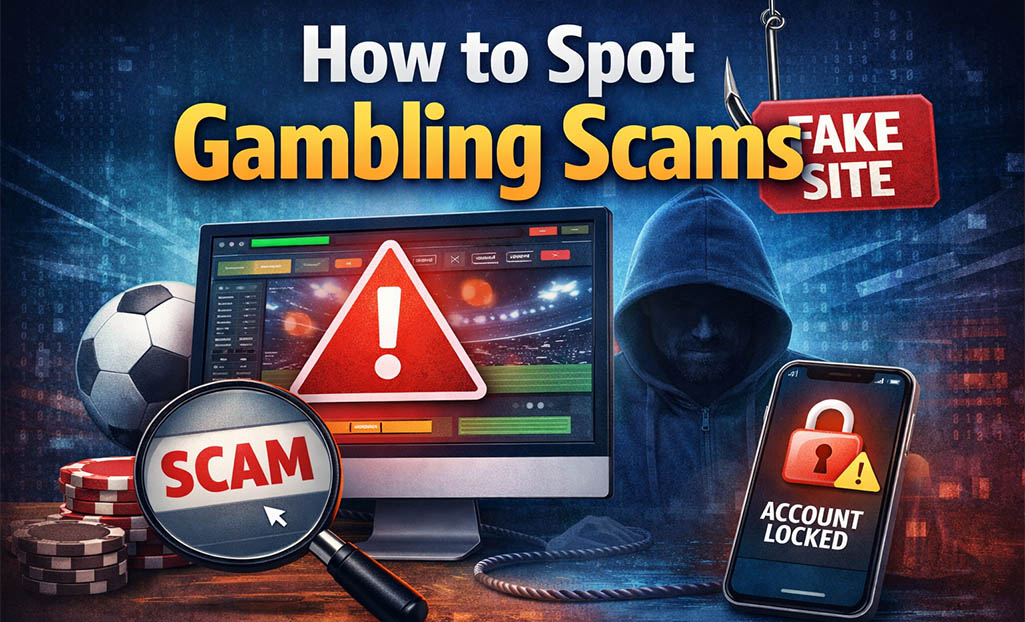
Ever had that weird feeling something online just isn’t right… but you can’t quite explain why?
The problem? By the time something feels off, it’s usually too late.
So instead of relying on instinct, let’s break this down in a simple way—what scams actually look like, how to catch them early, and what you can do right now to stay protected.
What Gambling Scams Actually Look Like
Not all scams scream "I’m fake." Most of them blend in.
Here are the most common situations you’ll run into:
Fake Betting Sites That Look 100% Real
You click on a site, everything looks legit—odds, markets, even live games.
But here’s what usually gives it away:
- No real license (or one you can’t verify)
- Weird domain names (extra words, hyphens, or misspellings)
- Deposit works perfectly… withdrawals don’t
"Guaranteed Wins" That Don’t Exist
You’ll see this everywhere—Telegram groups, Twitter accounts, even emails:
"Sure bets"
"Fixed matches"
"100% profit systems"
Let’s be real for a second—if that actually worked, no one would sell it.
Messages That Try to Rush You
Some scams don’t even come through websites. They come directly to you:
- "Your account is at risk—verify now"
- "Limited bonus—expires in 10 minutes"
- "Unusual activity detected"
They want you to panic and click fast.
Quick Example: Spot the Scam
Let’s make this practical.
You receive this message:
"Your betting account has been locked. Click here to restore access immediately."
Now check this:
- The link → betbrothers-secure-login.net ❌
- The tone → urgent and stressful ❌
- The request → asks for login details ❌
Everything about this screams scam.
How to Actually Protect Yourself

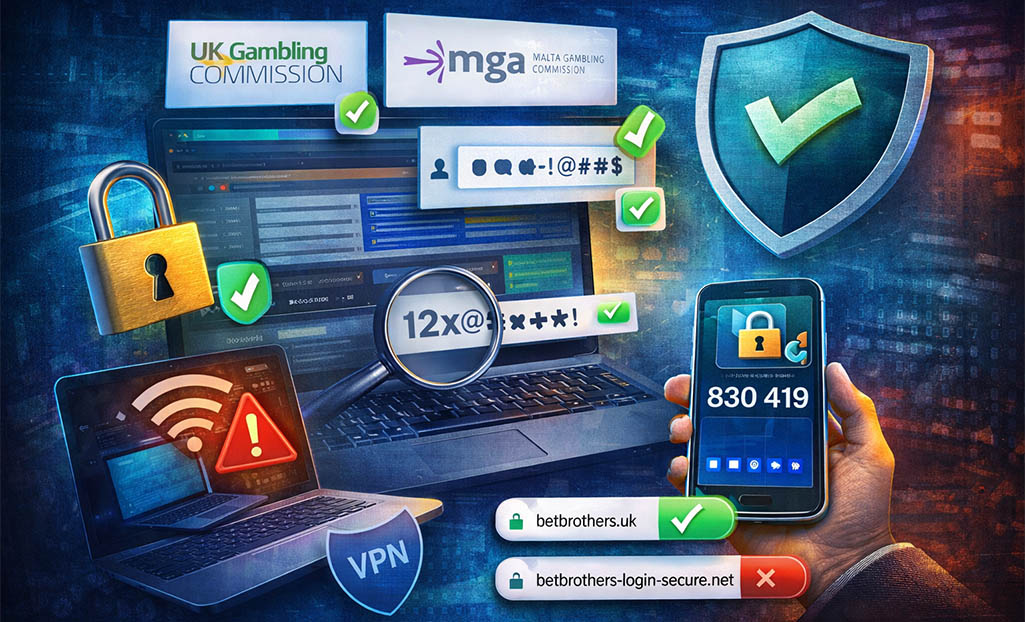
Protect yourself from gambling scams with secure passwords, verified sites, and 2FA
You don’t need to be a tech expert. Just a few smart habits go a long way.
-
Stick to Verified, Licensed Platforms
Before using any site, scroll to the bottom.
You should see licenses from:
- UK Gambling Commission
- Malta Gaming Authority
- Or official US state regulators
-
Use Strong Passwords (and Don’t Reuse Them)
This one’s simple but powerful.
- Use at least 12 characters
- Mix letters, numbers, symbols
- Don’t reuse the same password everywhere
If one account gets exposed, reused passwords put everything else at risk.
-
Turn On Two-Factor Authentication (2FA)
If a platform offers it, use it.
It’s that extra step where you confirm a login with your phone.
-
Be Careful With Public Wi-Fi
Coffee shops, airports… convenient, but risky.
If you’re connected to public Wi-Fi:
- Avoid logging into accounts
- Avoid making deposits
- Or use a VPN if possible
-
Always Double-Check URLs
This takes 2 seconds and can save you a lot.
Compare:
- betbrothers.uk ✔️
- betbrothers-login-secure.net ❌
Looks similar, but one is real—and the other is a trap.
The Small Behaviors That Make a Big Difference
Security isn’t just tools—it’s mindset.
Here are a few things that help more than you’d think:
- If something feels rushed → pause
- If something feels too good → question it
- If something looks slightly off → double-check it
Most scams rely on speed and emotion, not logic.
Quick Safety Checklist
Before using any betting platform, run through this:
- Is it licensed and regulated?
- Are real users talking about it online?
- Does the site look clean and professional?
- Are the offers realistic—not exaggerated?
If one of these feels off… trust that instinct and step back.
What to Do If You Get Scammed
If you ever run into a scam, act fast:
- Contact your bank or payment provider immediately
- Change your passwords right away
- Enable two-factor authentication (2FA)
- Report the website or message
- Stop interacting with the scammer
Conclusion
As you can see, staying safe online isn’t about being paranoid—it’s about being aware.
And honestly, that’s the goal here—not to scare you, but to make sure you’re always one step ahead.
Because at the end of the day, the safest move is knowing exactly what you’re dealing with.