Reading Opening Lines: Line Movement & Best Odds
Let’s be honest for a second.
Most people think sports betting is about picking the right team.
It’s not.
It’s about getting the right number.
That number — the one you see when odds first go live — is where everything starts. And if you don’t understand it, you’re always reacting to the market instead of staying ahead of it.
That’s why reading opening lines matters. Not in a theory-heavy way. In a practical, real-world way that directly impacts your results.
Let’s break it down like we’re looking at the board together.
What Are Opening Lines, Really?
An opening line is the first price a sportsbook releases for a game.
Example:
- Chiefs vs Bills
Opening spread: Chiefs -3 (-110)
That -3 isn’t random. It’s built from internal power ratings, injury projections, matchup data, and expected betting behavior.
But here’s the key:
The opening line is the market’s starting point — not its final opinion.
Once money enters the market, the number moves. And that movement tells a story.
Why Lines Move (And Why It Matters)
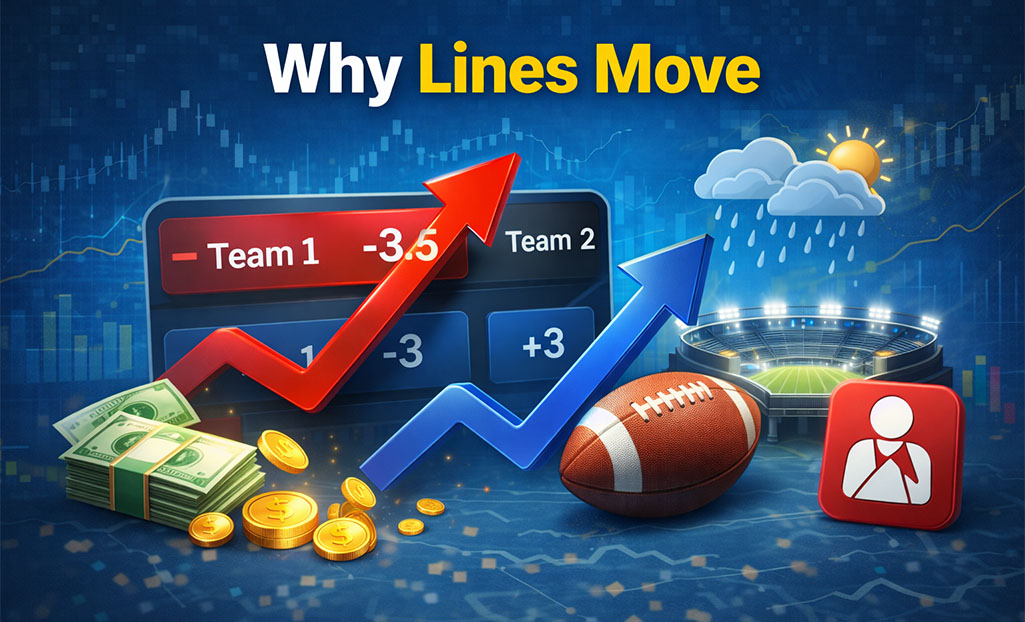
Example of how betting lines move after opening odds are released.
After the opening number is posted, sportsbooks adjust it based on:
- Where money is coming in
- The size and respect level of that money
- Injury updates
- Weather reports
- Public betting trends
Let’s say the Chiefs open at -3.
Now the price is different.
A Real Market Example
Imagine this sequence:
- Sunday night:
49ers open at -2.5
- Monday morning:
Line moves to -3.5
- By Wednesday:
Line reaches -4
That full-point move likely signals respected money hit early.
- If you bet -2.5, you secured closing line value.
- If you waited and bet -4, you paid a premium.
Tracking even a few games per week like this helps you understand how markets behave.
Beating the Number vs Picking Winners
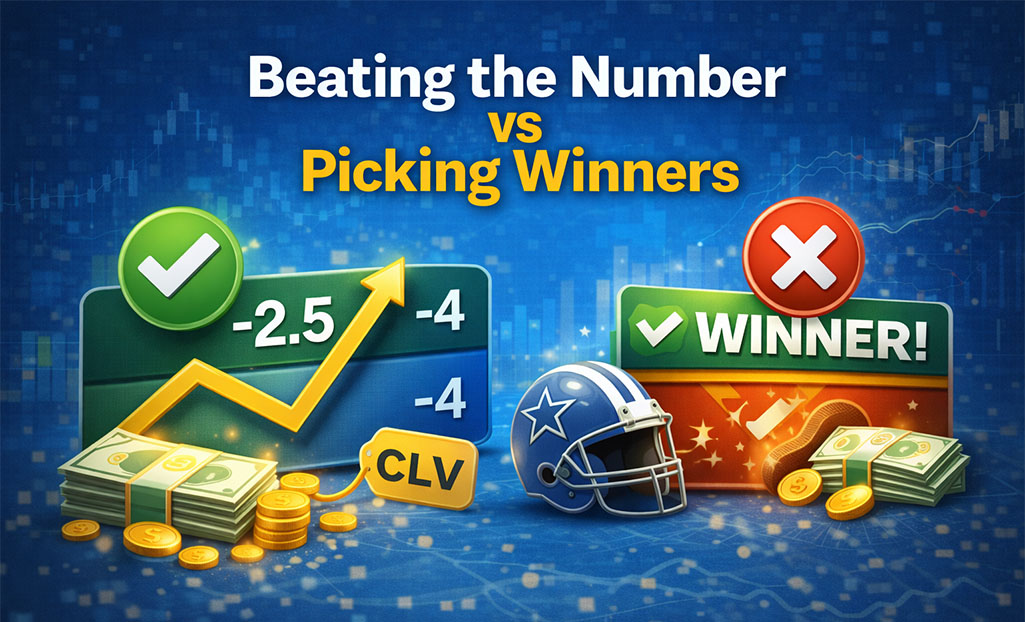
Example of beating the closing line versus simply picking a winning team.
Here’s a mindset shift that changes everything:
- You can win a bet and still make a bad decision.
- You can lose a bet and still make a strong one.
That’s called closing line value (CLV).
Over time, consistently beating the closing number is one of the clearest signs your process is sharp.
Line Shopping: The Quiet Advantage
Now let’s talk about something simple but powerful: comparing sportsbooks.
Same game:
- Book A: Eagles -3.5
- Book B: Eagles -4
- Book C: Eagles -3
If you like the Eagles, -3 is clearly the strongest position.
That one-point difference can mean the difference between winning and pushing. Over a season, that edge compounds.
Same with moneylines:
- Book A: +150
- Book B: +165
On a $100 bet, that’s a $15 difference for the exact same outcome.
When to Bet: Early or Late?
There’s no universal rule, but there is logic.
You might bet early if:
- The opening number looks soft
- You expect sharp money to move it
- Injury news favors your side
You might wait if:
- You’re backing a popular favorite
- You expect public money to inflate the line
- You want confirmed lineup information
Timing is part of the strategy. And strategy is what separates emotional betting from disciplined betting.
Reverse Line Movement
Sometimes the market behaves in ways that seem strange.
That’s called reverse line movement.
It doesn’t guarantee an outcome — but it’s a signal worth paying attention to.
And once you start spotting these situations, the market becomes easier to read.
A Simple Value Comparison
Let’s keep this practical.
You estimate a team has a 50% chance to win.
- Book A offers +140
- Book B offers +160
Over the long run, +160 offers stronger expected value since you’re getting a higher return for the same risk. That extra 20 cents might not seem like much on one bet, but across dozens of wagers, it makes a meaningful difference.
Conclusion
As you can see, Reading Opening Lines isn’t about predicting the future — it’s about positioning yourself before the market settles. The difference between average bettors and sharp ones isn’t luck… it’s price awareness.
When you pay attention to how numbers open, move, and vary across sportsbooks, you stop reacting and start thinking strategically. That shift alone can improve your long-term results.