How the UK Gambling Commission Protects Bettors

The first time you use a betting site, everything feels straightforward — deposit, place a bet, maybe withdraw later.
What’s not obvious is all the structure behind that experience. The rules, the checks, and the safeguards that keep things running smoothly.
If you want to know what’s really happening behind the scenes — how operators are controlled and how your funds are protected — this is where it starts.
What the UK Gambling Commission Actually Does
At its core, the UKGC exists to make gambling safer and more transparent.
But it doesn’t stop there.
The Commission is constantly checking that operators:
- Follow strict rules
- Treat customers fairly
- Protect player funds
- Act responsibly
This is the part most people don’t think about — until something goes wrong.
How Betting Sites Get Licensed (And Why It’s Not Easy)
Getting approved by the UKGC isn’t just paperwork. It’s a full screening process.
Before a company can offer betting services, it needs to prove:
-
Financial stability
They must show they can pay winners and handle withdrawals without issues.
-
Background checks
The people behind the business are investigated. Past behaviour matters.
-
Fair systems
All games and betting systems must be independently tested to prevent manipulation.
-
Responsible gambling tools
Every platform must include features like deposit limits, time-outs, and self-exclusion.
So when a site is licensed, it means it has passed multiple layers of scrutiny.
How Your Money Is Protected
This is where things become very real.
Not all betting sites protect funds in the same way, and the UKGC requires operators to be transparent about it.
Levels of protection:
You’ll usually find this information in the terms or in the official register.
What If a Bookmaker Fails?

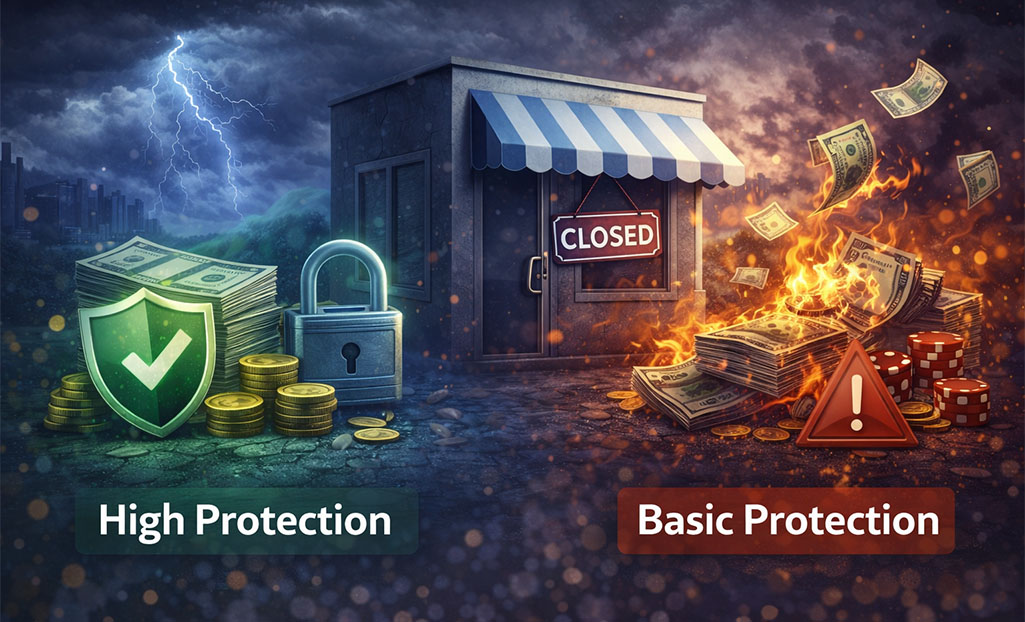
Example of fund protection levels if a betting site shuts down
Let’s make it simple.
Imagine you have money sitting in your account and the company suddenly shuts down.
- With high protection, your funds are likely recoverable
- With basic protection, there’s a real chance you lose it
That’s not theory — it has happened before with poorly managed operators.
When Operators Get It Wrong
There have been cases where major betting companies were fined millions for failing to protect users properly.
In some situations, operators didn’t intervene when risky behaviour was obvious. In others, they failed to follow anti-money laundering checks.
How to Check If a Betting Site Is Properly Licensed
This is one of the easiest things you can do, and it takes less than a minute.
Here’s how:
- Scroll to the bottom of the website
- Look for the UK Gambling Commission logo and licence number
- Visit the official register
- Search the company name
- Confirm the licence is active
If something doesn’t match, it’s better not to continue.
What to Do If a Betting Site Doesn’t Pay You
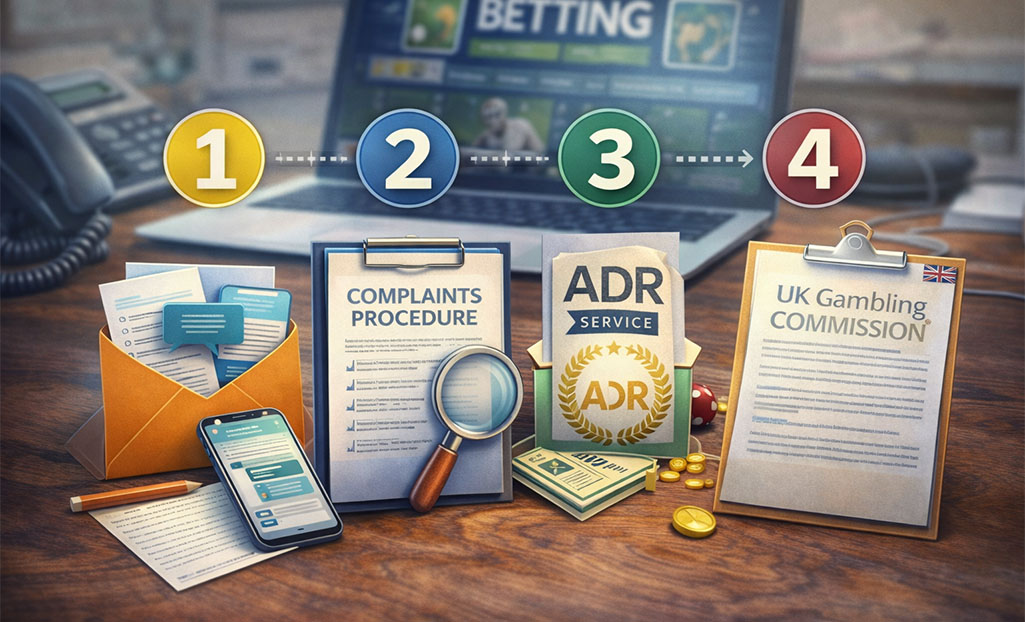
Steps to follow if a betting site doesn’t pay your winnings
This is something people rarely think about — until it happens.
If you ever run into issues:
Step 1
Contact the site’s support and keep records of everything
Step 2
Check their complaints procedure (they are required to have one)
Step 3
Escalate to an Alternative Dispute Resolution (ADR) service
Step 4
Report the issue to the UK Gambling Commission
Tools Designed to Keep Things Under Control
Every licensed platform must offer tools that help manage activity.
Some of the most useful ones include:
- Deposit limits
- Loss limits
- Session reminders
- Account time-outs
- Self-exclusion programs like GAMSTOP
They’re easy to ignore, but they’re there for a reason.
Warning Signs You Shouldn’t Ignore
Even with regulation in place, it’s still important to stay aware.
Some clear red flags:
- No visible UKGC licence
- Offers that sound unrealistic
- No clear terms and conditions
- Limited or no customer support
If something feels off, it usually is.
Conclusion
In the end, everything comes down to what’s happening behind the platform.
Taking a minute to check a few things can make a real difference:
- Who is regulating the site
- How your funds are protected
- What safeguards are actually in place
It doesn’t take much — but it can save you from bigger issues later.
So before placing your next bet, do you actually know who’s regulating the site you’re using?