Underage Gambling: Risks, Penalties and How to Prevent It

That curiosity is completely understandable. However, there’s an important rule to know from the start: underage gambling is illegal in the United States. In most states, you must be at least 21 years old to legally place a sports bet.
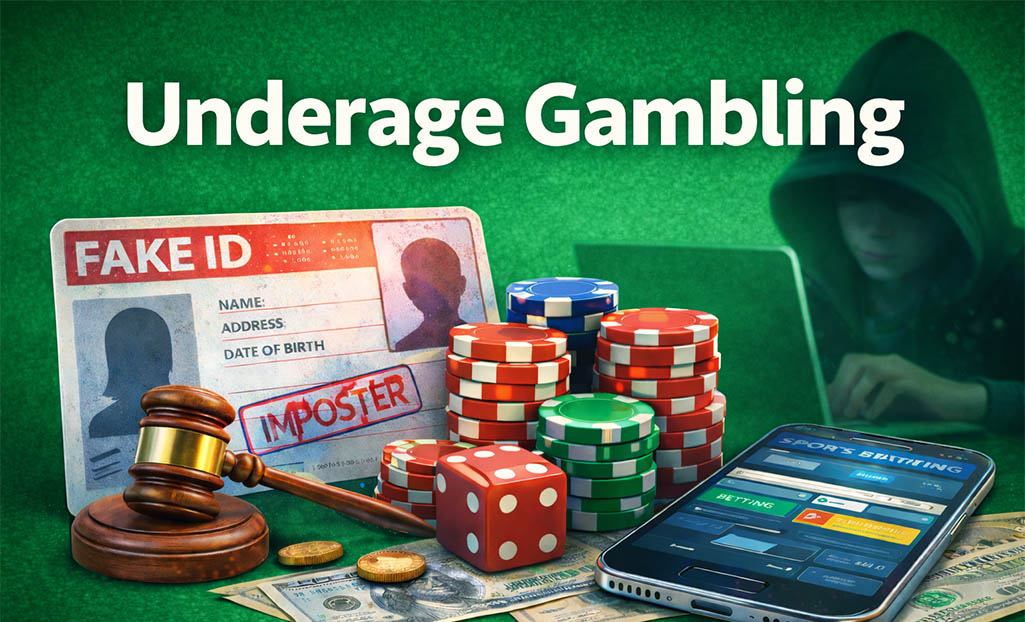
Because of this restriction, licensed sportsbooks use verification systems to ensure only adults can create accounts. Still, some minors try to bypass these controls using fake IDs, borrowed accounts, or websites that don’t properly verify age.
And that’s where the real problem begins. What might seem like a harmless bet on a game can create situations most teenagers aren’t prepared for.
That’s why the risks and rules around underage gambling matter more than many people realize.
Why Underage Gambling Is Riskier Than It Seems
At first glance, sports betting may not seem very different from other online activities teenagers enjoy. They already follow teams, check scores, and talk about predictions with friends.
The difference is that betting involves real money and real risk. Teenagers are still developing decision-making skills and impulse control, which makes them more vulnerable to gambling problems.
Because of this, young bettors are more likely to:
- Bet impulsively without thinking about long-term consequences
- Try to recover losses by placing more bets
- Misunderstand how betting odds actually work
- Develop unhealthy gambling habits at an early age
Legal Age for Sports Betting in the U.S.
In the United States, gambling laws are regulated at the state level, so the exact rules can vary depending on where you live.
However, for online sports betting, most states set the minimum age at 21 years old.
To enforce this rule, licensed sportsbooks must verify the identity of every user before allowing them to bet. This usually includes:
- ID verification (driver’s license or official identification)
- Age verification through databases
- Location checks to confirm the user is in a legal betting state
What Happens If a Minor Tries to Gamble?
Some people assume nothing will happen if a teenager manages to place a bet online. In reality, there can be consequences.
Depending on the state, underage gambling can lead to several penalties.
These may include:
- Fines for using fake identification
- Confiscation of any winnings obtained illegally
- Account suspension or permanent bans from sportsbooks
- Possible legal consequences for adults who allow minors to use their accounts
Warning Signs of Underage Gambling


Minor placing sports bets on a mobile phone, representing illegal gambling behavior.
For parents and guardians, underage gambling is not always easy to spot. Many betting platforms look similar to regular sports apps, which can make the behavior harder to detect.
However, some signs may indicate that a teenager is getting involved in gambling activities.
For example:
- Unexplained spending or missing money
- Secretive behavior when using phones or computers
- Talking frequently about betting odds rather than just sports
- Borrowing money from friends or family
How Underage Gambling Can Be Prevented
Preventing underage gambling usually requires a combination of education, supervision, and responsible industry practices.
Some of the most effective measures include:
-
Education about gambling risks
Young people should understand that betting is not an easy way to make money and that odds are designed to favor the sportsbook.
-
Parental awareness and device controls
Parents can monitor payment methods, set device restrictions, and pay attention to unfamiliar apps.
-
Strict verification systems
Licensed sportsbooks are required to implement identity and age verification before allowing users to place bets.
-
Open conversations about gambling
Talking openly about gambling risks can make teenagers more aware of the potential consequences.
Conclusion
As you can see, underage gambling is not just about breaking a rule. It can expose young people to financial losses, risky habits, and legal consequences before they are ready to deal with them.
For anyone interested in sports betting, the smartest approach is simple: learn how it works, be aware of the risks, and wait until reaching the legal age before placing your first bet.